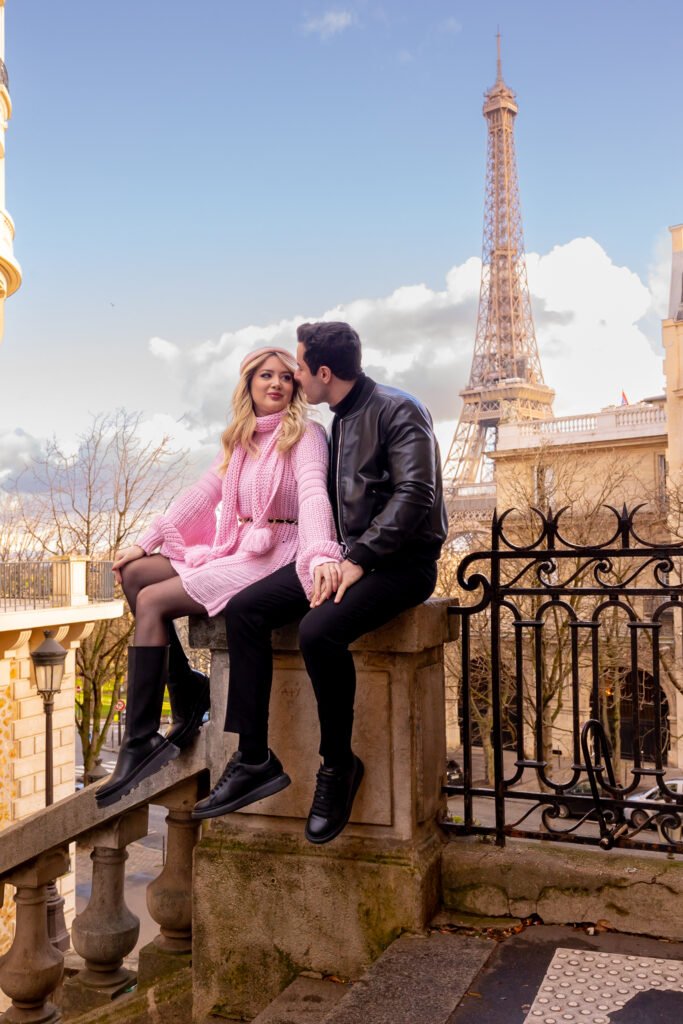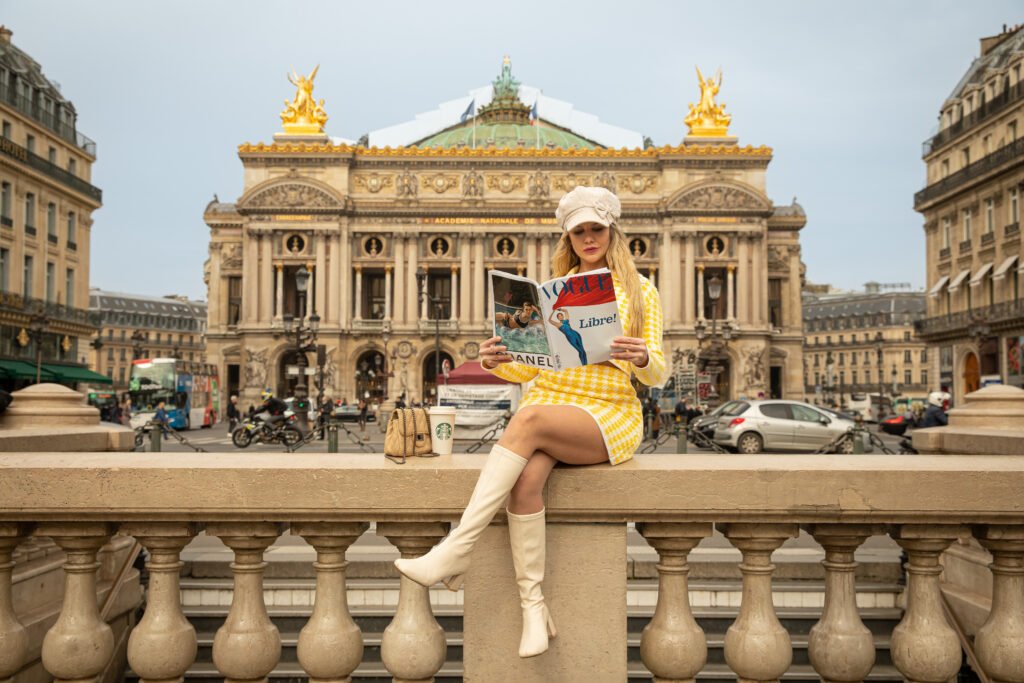
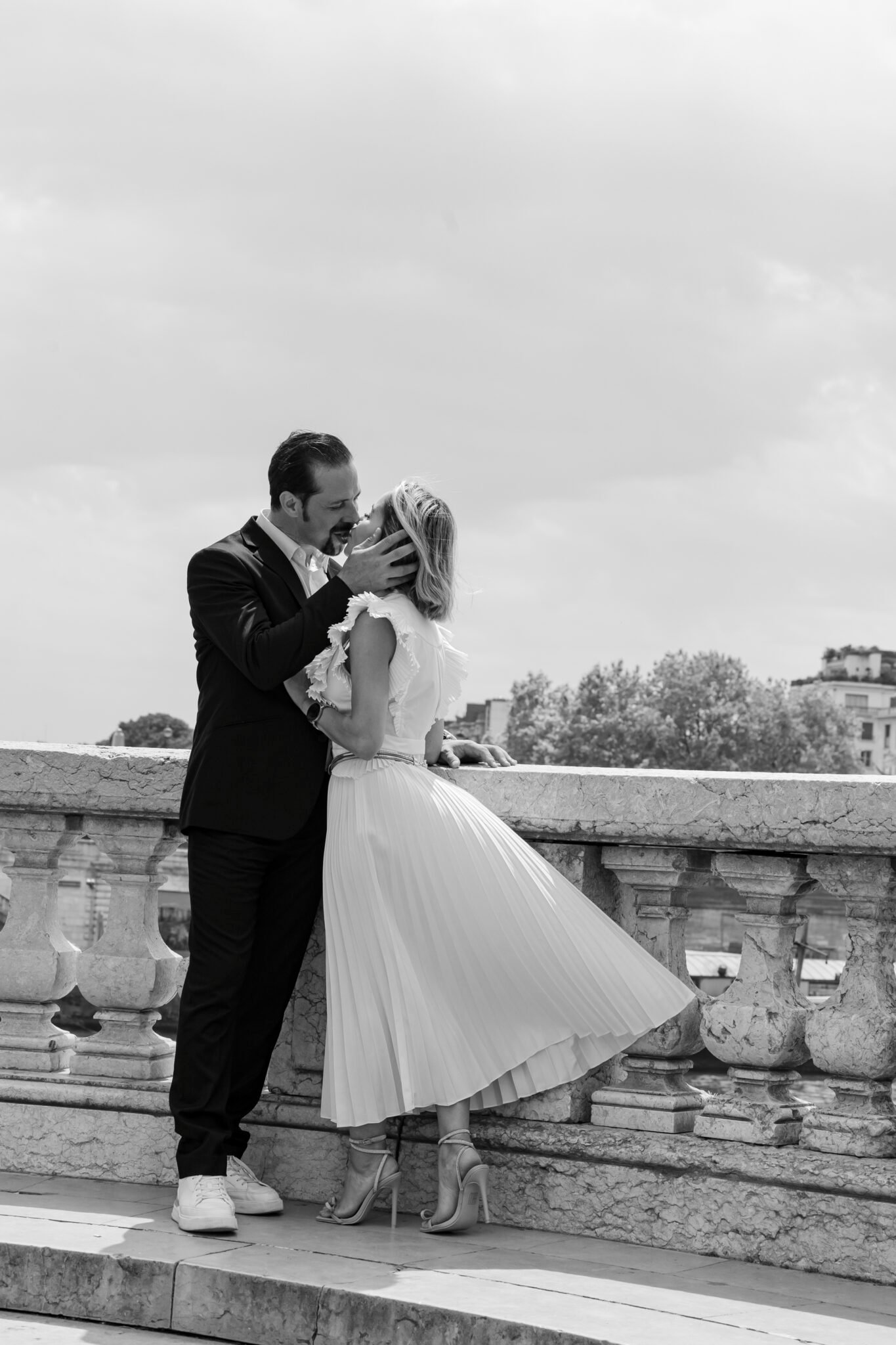
What you wear is the single biggest decision you make before a Paris photoshoot — bigger than the location, the weather, or even the time of day. The right outfit reads instantly in a photograph: it flatters your shape, sits in harmony with the honey-coloured stone of Haussmann façades and the soft grey Paris light, and lets you come through rather than the clothes. After photographing clients in Paris for around fifteen years, we've learned that the most beautiful images almost always start with thoughtful, comfortable styling. This is our complete guide to what to wear for your Paris photoshoot — colours that photograph well, what to avoid, how to dress by season, what couples and families should coordinate, shoes for cobblestones, accessories, and how to look effortlessly natural in front of the camera.
The short answer: what to wear for a Paris photoshoot
If you only remember one thing, remember this: choose timeless, well-fitted clothes in soft or rich solid colours, in fabrics that move. A flowing dress, a tailored coat, quality knitwear, elegant separates — these outfits read as effortless and let Paris be the backdrop rather than competing with it. Avoid large logos, neon, tiny busy patterns, and anything so tight or fussy that you can't relax. Bring one to three looks, wear shoes you can actually walk on cobblestones in, and pick colours that suit both your skin tone and the season. Everything below expands on those rules.
Colour palettes that photograph beautifully
Colour is where most people either win or lose the shoot before it starts. Paris has a naturally muted, romantic palette — cream limestone, grey zinc rooftops, black wrought iron, green Wallace fountains, and soft diffused light most of the year. Colours that sit gracefully against that backdrop tend to photograph best.
Soft neutrals
Camel, beige, cream, ivory, oatmeal, taupe, soft grey, blush and dusty rose are the most reliable choice for Paris. They feel elegant and editorial, they flatter almost everyone, and they harmonise with the city's stone. A camel coat over a cream knit is a classic Parisian look for a reason. Neutrals are especially forgiving for couples and families because they blend without matching.
Jewel tones
When you want colour with impact, jewel tones deliver: emerald green, sapphire blue, burgundy, deep teal, plum and mustard. They photograph rich and luxurious, they pop gently against neutral architecture, and they suit autumn and winter especially well. A single jewel-tone dress or coat can carry an entire shoot.
Classic red
Red is the most photogenic bold colour in Paris. A red dress or a red coat against pale stone is timeless, romantic and instantly striking — it's a favourite for solo and engagement sessions. Choose a true red or a deep berry red rather than a fluorescent orange-red, and keep the rest of the look simple so the colour stays the hero.
Monochrome and tonal dressing
Dressing in a single colour family — head-to-toe camel, layered creams, or shades of grey — looks sophisticated and elongates the body. Tonal dressing is a great way to look pulled-together without a loud statement. It's also the easiest way for a couple to coordinate.
Pastels
Soft pink, lavender, powder blue, sage and butter yellow are gorgeous in spring, particularly among cherry and magnolia blossom. Pastels read fresh and romantic in bright, soft light. Keep them delicate rather than sugary, and pair with a neutral to keep them grown-up.
What to avoid: colours and patterns that don't photograph well
- Large logos and slogans. Big-brand logos date an image instantly and pull the eye away from your face. Keep clothing clean and unbranded.
- Neon and highlighter brights. Neon reflects onto skin, casting unflattering colour on faces, and it fights with Paris's soft palette.
- Tiny, tight patterns. Small checks, thin stripes, houndstooth and fine polka dots can shimmer or "buzz" (a moiré effect) in photos and look chaotic. If you love pattern, choose a larger, softer print.
- All-white pitfalls. Pure white can blow out to a bright blob in strong sun and lose all detail. It can work in soft light, but cream or ivory is safer.
- All-black pitfalls. Head-to-toe black can flatten into a silhouette and lose shape and texture, especially in shade. Break it up with texture, a lighter layer, or an accessory.
- Very trend-driven pieces. Whatever is loud this season often looks dated next year. Cornerstone wardrobe pieces keep your photos timeless.
Fabrics and movement: why texture matters
Photographs capture movement and texture in a way that flat, stiff clothing can't. The most romantic Paris images almost always involve fabric that catches the wind and the light.
- Flowing dresses in chiffon, silk, satin or crepe move beautifully as you walk, twirl or stand on a bridge — they create the dreamy, cinematic feeling people associate with Paris.
- Silk and satin catch soft light gorgeously and read as luxurious. Matte silk is easier than very shiny satin, which can create hot spots in bright sun.
- Long coats — camel, wool, trench or a dramatic maxi coat — add elegance, structure and a sense of Parisian chic, and they work brilliantly in autumn and winter.
- Knitwear adds cosy texture and depth; a chunky cream sweater or a fine merino turtleneck both photograph warmly.
- Avoid heavily wrinkled linen for a polished look, and steam everything before the shoot — creases show more than you expect.
If you'd like a dramatic gown or flowing dress but don't want to buy one, dresses can be rented through our partner Glam In Paris (glaminparis.com), which is an easy way to shoot in something spectacular without carrying it home.
What to wear for a couples or engagement shoot
The golden rule for couples is coordinate, don't match. Matching outfits (identical colours, "his and hers" everything) look dated and stiff. Coordinating means choosing a shared palette and complementary levels of formality so you look like you belong together.
- Pick a palette of two or three colours and pull from it. For example: cream, camel and soft brown; or navy, grey and white.
- Match the level of dressiness. If one partner is in a flowing dress, the other should lean elegant too — a tailored coat, a shirt and trousers — not shorts and a t-shirt.
- Play with texture and layers so you're related but not identical: a knit against a coat, silk against wool.
- One person can wear the "statement" colour (a red or emerald dress) while the other grounds the look in neutral.
What to wear for a family shoot (with kids)
Families look best in a shared colour story rather than a uniform. Start by choosing the outfit of the person hardest to dress — often a parent — then build everyone else around that palette.
- Choose two or three coordinating colours plus a neutral, and let each family member wear a different mix.
- Vary the pieces: one in a dress, one in a knit, one in a shirt — same palette, different textures — so the group has depth.
- Dress children comfortably. Stiff, scratchy or brand-new shoes make kids miserable, and it shows. Familiar, comfortable clothing keeps them relaxed and smiling.
- Bring a small back-up outfit for little ones in case of spills, and a favourite snack or toy to keep spirits up between frames.
- Avoid dressing the whole family in the same bright colour — it reads as a team uniform rather than a family.
Solo, editorial and personal-brand looks
A solo session is your chance to be bold, because there's no one to coordinate with. This is where a single striking dress, a sharp monochrome look, or a strong colour really shines.
- Editorial / fashion: lean into drama — a flowing gown, an oversized coat, a bold hat. Keep the palette tight so the image feels intentional.
- Personal brand / professional: dress the way you want your audience to see you, one notch more polished than everyday. Solid colours, clean tailoring and a confident silhouette photograph as authority and warmth. Bring a look that reflects your work — creative, corporate, artistic — so the images feel like you.
- Romantic / lifestyle: soft fabrics, gentle colours and natural movement create the classic dreamy Paris mood.
In our sessions we offer pre-shoot styling advice, so if you're unsure which of your looks will photograph best, we help you plan before you arrive.
Accessories: the finishing touches
Accessories add personality and a sense of place, but restraint is key — one or two considered pieces beat a pile of competing details.
- Hats: a beret, a wide-brim felt hat or a classic fedora is quintessentially Parisian and adds instant polish. Be aware brims can cast shadow across the eyes in strong sun — we'll position you for the light.
- Scarves: a silk scarf or a soft wool wrap adds colour, texture and movement, and is practical in cooler months.
- Jewellery: keep it elegant and intentional — delicate everyday pieces or one bold statement, not both. Skip anything that catches light so harshly it distracts.
- Bags: a structured handbag or a small clutch elevates a look; leave bulky backpacks and day bags with a friend or in the car.
- Sunglasses can be chic for a few frames, but we'll also want plenty without them so your eyes connect with the camera.
Shoes for Paris cobblestones
Paris is a walking city, and much of it is cobblestone. Beautiful shoes matter, but so does not turning an ankle on the Île de la Cité.
- Heels look elegant and lengthen the leg, but stilettos sink and catch between cobbles. If you love heels, choose a block heel or wedge, and only wear thin heels for stationary photos.
- Flats — ballet flats, elegant loafers, ankle boots or clean sneakers — are comfortable and very much part of real Parisian style.
- A practical trick: bring both. Wear comfortable flats to walk between locations, slip into heels for the frames where they count.
- Break in any new shoes before the trip. Blisters end shoots early.
- Keep shoes clean and in good condition — scuffed soles show more than you'd think when you're seated or walking.
How many outfits should you bring?
For most sessions, one to three outfits is the sweet spot. One well-chosen look is plenty for a shorter session and keeps things relaxed. Two to three gives variety — for example a romantic dress, a casual chic daytime look, and a dramatic coat or gown — without eating the whole session in changing time.
- Prioritise looks that suit the locations we've planned and the season.
- Remember changing in Paris usually means a café restroom or a discreet spot, so plan outfits that are realistic to change into quickly.
- Order your outfits from most structured to most relaxed, or light to dark, so the set of images tells a story.
- More outfits isn't automatically better — three great looks beat six rushed ones.
Seasonal guide: what to wear in Paris through the year
Spring (blossoms and soft light)
Spring is romantic and one of the prettiest times to shoot, with cherry and magnolia blossom in late March and April. Pastels, soft neutrals and light florals feel right. Layer a light trench or cardigan — mornings are cool. A flowing midi dress with a light coat is ideal.
Summer (bright light and heat)
Summer light is strong, so we often shoot early morning or golden hour to avoid harsh midday shadows and heat. Choose breathable fabrics — cotton, linen blends, silk — in light colours that reflect heat. Flowing sundresses and elegant separates work beautifully. Bring water and, if you burn, plan for shaded locations.
Autumn (rich tones and golden leaves)
Autumn is arguably the most photogenic season in Paris — golden leaves, warm light and cosy layering. Jewel tones, camel, rust, burgundy and mustard sing against turning trees. This is coat-and-knitwear season: a long coat, a chunky sweater, a silk scarf. Boots are practical and stylish.
Winter (coats and layering)
Winter is quiet, atmospheric and often beautifully moody. A statement wool coat is the hero piece — camel, red, grey or black. Layer knits underneath, add gloves, a scarf and a beret for warmth and style. Choose fabrics that hold their shape in cold and, if there's a chance of festive lights or frost, lean into rich colours. Bring a warm layer to throw on between frames so you stay comfortable and relaxed.
Hair, grooming and makeup basics
- Hair: style it the way you feel most like yourself, and bring a brush and hair ties for wind — Paris bridges are breezy. If you're getting a cut or colour, do it about a week before, not the day before.
- Makeup: aim for a slightly more defined version of your everyday look. Matte or natural finishes photograph better than very shiny or heavily glittered skin under sunlight. A professional makeup artist is a lovely touch for special sessions but never required.
- Skin: hydrated skin photographs best; a little lip colour and groomed brows make a big difference.
- Nails and hands: hands appear more than you expect in couple and detail shots — tidy nails are worth five minutes.
- Grooming: for anyone with facial hair, a neat trim reads sharp; for all, a good night's sleep and water beforehand does more than any product.
Dressing for your skin tone
Colour flatters most when it works with your undertone. This is a guide, not a rule — confidence in a colour matters more than theory.
- Warm undertones (gold, peach, olive skin) glow in camel, cream, rust, warm reds, mustard, olive and earthy tones.
- Cool undertones (pink, blue, rosy skin) shine in emerald, sapphire, plum, true red, cool greys and soft blues.
- Deeper skin tones look stunning in rich jewel tones, crisp white, bright colour and bold contrast — Paris stone is a gorgeous backdrop for vivid colour.
- Fair skin is flattered by soft pastels, dusty tones and mid-depth colours; be a little careful with very pale beige right next to the face, which can wash you out — add a scarf or a stronger colour near the neckline.
Comfort, fit and confidence
The best-dressed client in the world will look tense if the clothes pinch. Fit and comfort are what create natural, confident images. Choose pieces that fit well now — not aspirationally — and that you can sit, walk, laugh and lean in without adjusting constantly. If you keep tugging at a hem or a neckline, it will show on your face. Do a quick "movement test" at home: raise your arms, sit down, walk. If everything stays put and you feel like yourself, you've found the right outfit.
How to look natural in your photos
- Wear something you genuinely love — you carry yourself differently in clothes that make you feel good.
- Arrive a little early so you're not rushed; feeling calm reads as ease in the images.
- Trust the guidance. Our sessions are fully guided, in English, Français, Português or Español, so you're never left wondering what to do with your hands.
- Movement beats posing — walking, adjusting a scarf, laughing together produces the most natural expressions.
- Break up long, static poses; relaxed candid moments almost always become the favourites.
Packing checklist for your Paris photoshoot
- One to three planned outfits, steamed and wrinkle-free.
- A statement piece — a coat, a gown or a bold-colour dress — if you want drama.
- Two pairs of shoes: comfortable flats for walking, elegant pair for key frames.
- Weather layer for the season (trench, wool coat, cardigan, or a light shawl).
- Accessories: hat, silk scarf, considered jewellery, a small elegant bag.
- A brush, hair ties and a little hairspray for the wind.
- Touch-up makeup, blotting papers and lip colour.
- Anti-blister plasters and a mini sewing/safety-pin kit for emergencies.
- Water, and a snack or small toy if children are joining.
- Confidence and a relaxed morning — the most important thing you'll bring.
Frequently asked questions
What should I wear for a Paris photoshoot?
Choose timeless, well-fitted clothes in soft neutrals or rich solid colours, in fabrics that move — a flowing dress, a tailored coat, quality knitwear. Avoid big logos, neon and tiny busy patterns, bring one to three looks, and wear shoes you can walk on cobblestones in.
What colours photograph best in Paris?
Soft neutrals (camel, cream, beige, blush), jewel tones (emerald, sapphire, burgundy), classic red, tonal monochrome looks, and gentle pastels all photograph beautifully against Paris's stone architecture and soft light.
What colours should I avoid?
Avoid neon and highlighter brights (they reflect onto skin), large logos and slogans, and tiny tight patterns that can shimmer in photos. Be cautious with pure all-white (can blow out in sun) and head-to-toe black (can flatten and lose shape).
Should couples match their outfits?
Coordinate, don't match. Pick a shared palette of two or three colours and a similar level of formality, then vary the textures and pieces so you look connected but not identical.
What should families wear for a photoshoot?
Choose a shared colour story rather than a uniform. Pick two or three coordinating colours plus a neutral, let each person wear a different mix of pieces and textures, and keep children in comfortable, familiar clothing so they stay relaxed.
How many outfits should I bring?
One to three is ideal. One look is plenty for a short, relaxed session; two or three add variety without spending the whole session changing. Three great outfits beat six rushed ones.
Can I wear heels on Paris cobblestones?
Yes, but choose a block heel or wedge rather than thin stilettos, which sink and catch between cobbles. The best approach is to bring comfortable flats for walking and slip into heels for the frames where they matter.
What should I wear in each season?
Spring: pastels and light layers among the blossom. Summer: breathable light fabrics, shot in early or golden-hour light. Autumn: jewel tones, camel and cosy knitwear with a long coat. Winter: a statement wool coat with layers, scarf, gloves and a beret.
Do I need professional hair and makeup?
No — it's a lovely touch for special sessions but never required. Aim for a slightly more defined version of your everyday look, with a matte or natural finish and hydrated skin. We can advise on styling before your shoot.
Where can I get a special dress for my Paris shoot?
You're welcome to bring your own, and if you'd like something dramatic without buying it, dresses can be rented through our partner Glam In Paris (glaminparis.com) — an easy way to shoot in a showpiece gown.
What if I don't know how to pose?
You don't need to. Our sessions are fully guided in English, Français, Português or Español, and we focus on movement and natural moments rather than stiff posing, so you always know what to do.
How will I receive my photos?
Your images are delivered through a private online gallery, so you can view, download and share them easily. We're rated 4.9★ on Google, and we're happy to give pre-shoot styling advice so you arrive feeling ready.
Ready to plan your Paris photoshoot? Tell us your dates, your dream locations and the mood you're after, and we'll help you build a wardrobe and a session that feel completely like you. Reach out to plan or book — a quick message on WhatsApp is the easiest way to start, and we'll take care of the rest.